BUSINESS AND MANAGEMENT SERVICES
Raw Material Sourcing
How to find, test and compare raw material suppliers, plan stock and costs, and reduce supply risk for a small unit.
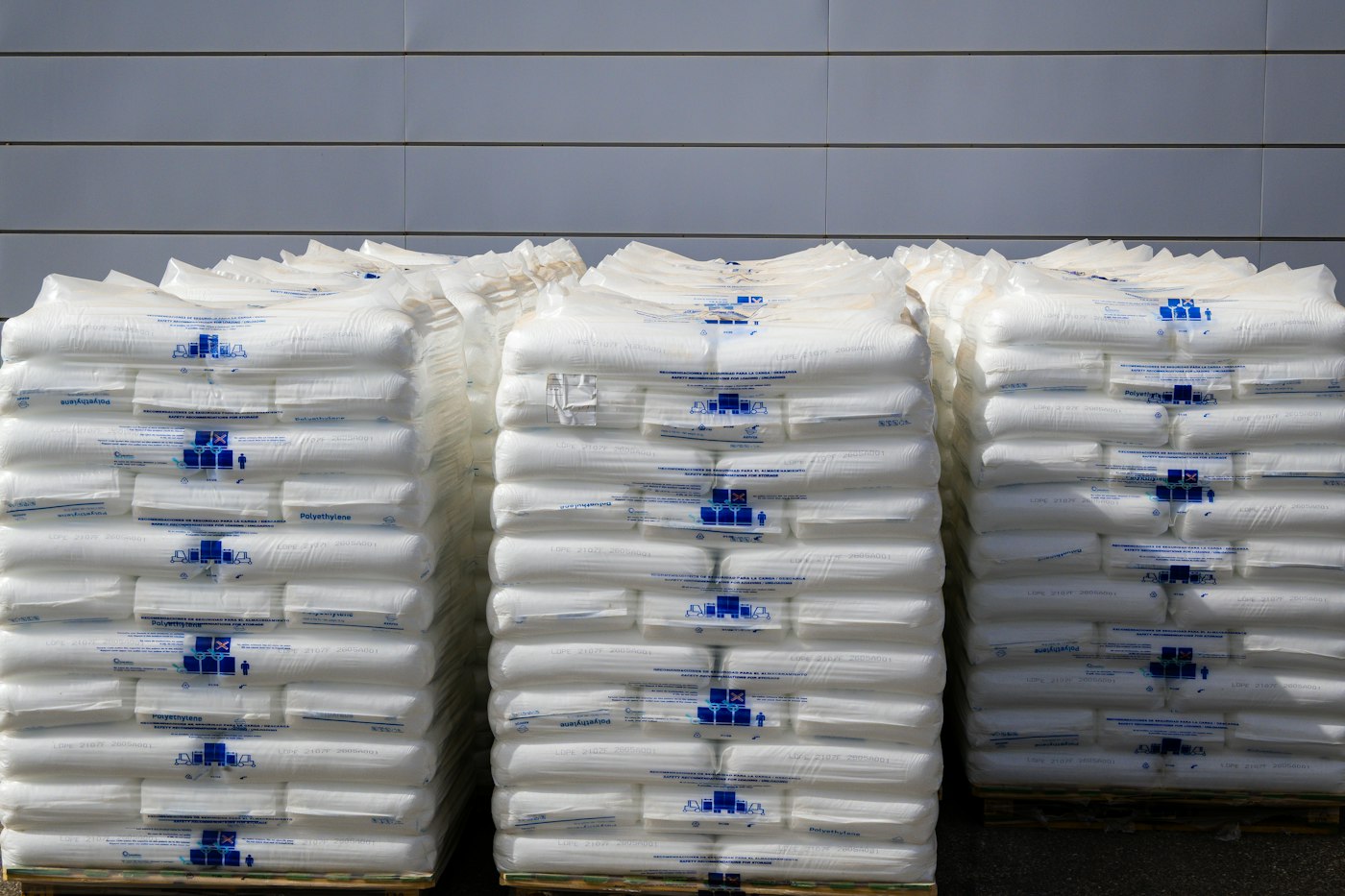
Raw material is usually the biggest running cost of a small unit. Good sourcing means the right quality, at a fair rate, on time, every time. Poor sourcing causes rejected batches, delays and cash stuck in stock.
SRRS Arena LLP helps you find and compare suppliers and connect with them. Suppliers sell under their own terms, and we do not buy or sell material ourselves. This page explains how sourcing works and how we support you.
Why Sourcing Needs a Plan
Many first-time entrepreneurs buy from the first supplier they meet. A plan protects you from price jumps, poor quality and stoppages.
- Quality decides your product’s reputation.
- Price decides your margin.
- Timely supply decides whether you meet orders.
- Payment terms decide how much working money you need.
Read choose your industry to see the main raw material for common small businesses.
Know Your Bill of Materials
A bill of materials (BOM) lists every item needed to make one unit or one batch, with quantity and wastage.
- List the main material, such as flour, fabric, seeds or granules.
- List supporting items such as thread, labels, additives and packing.
- Add wastage for cutting, spillage and rejects.
- Convert it to monthly requirement.
- Mark which items are seasonal or imported.
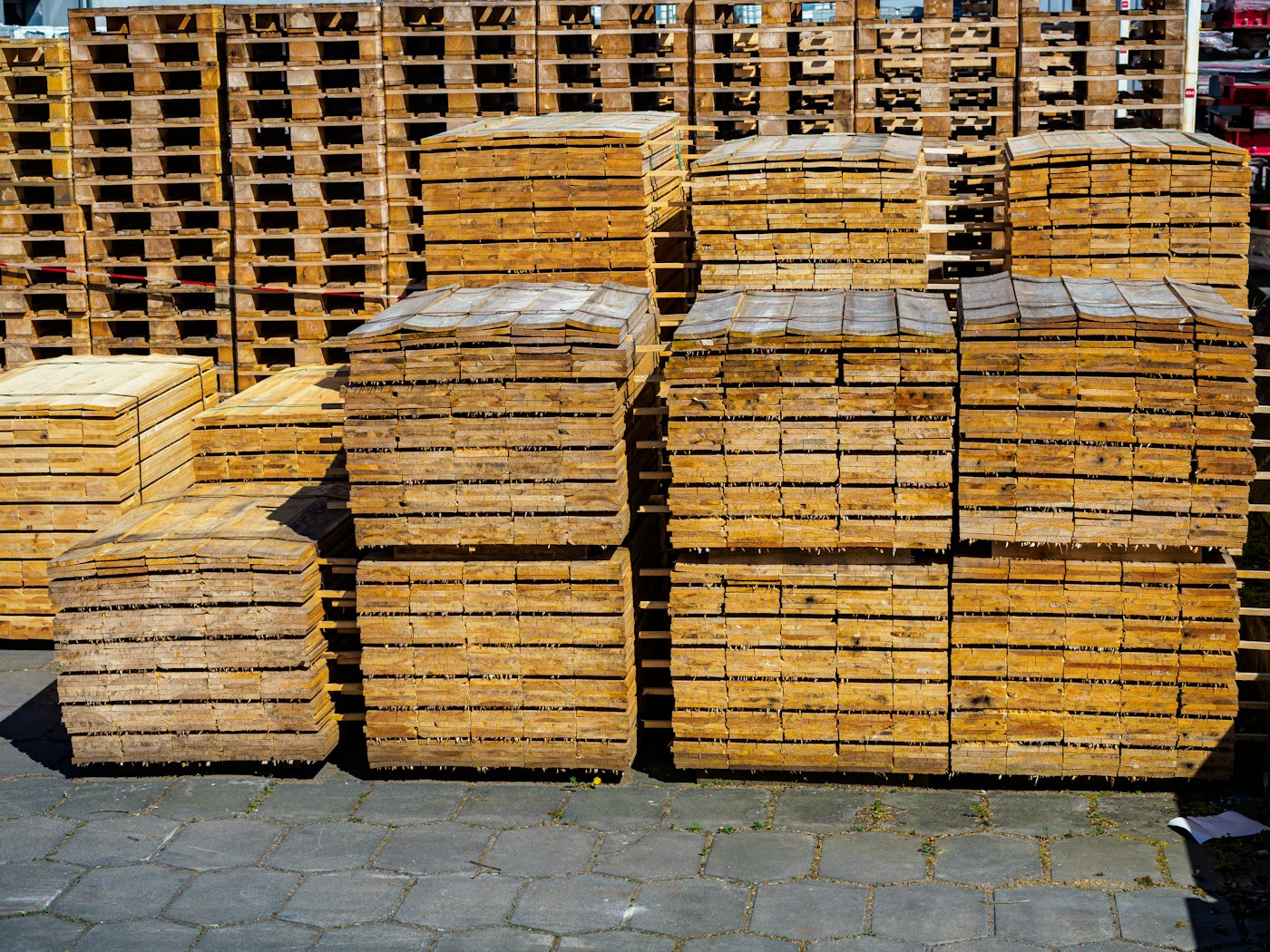
Types of Suppliers
- Farmers and farmer groups: good for fresh produce and grains, with seasonal supply.
- Mandis and traders: easy access and volume, but quality varies.
- Manufacturers and mills: consistent quality, often with minimum order quantity.
- Distributors and wholesalers: many items in one place, extra margin added.
- Importers: for items not made locally, with currency and customs aspects, see import export code.
- Online platforms: wide choice, but check seller reliability.
How to Evaluate a Supplier
- Ask for samples and test them on your own process.
- Visit the place, if possible.
- Check licences and tax registration, such as GST.
- Ask for references from other buyers.
- Compare quality specifications in writing.
- Clarify minimum order, delivery time, returns and payment terms.
- Note the supplier’s financial stability and past behaviour.
Quality Checks at Receipt
Do not accept goods without checking them.
- Match quantity with the challan and invoice.
- Check weight, moisture, size, colour and smell as relevant.
- For food items, check packaging, date and storage condition, as in the FSSAI licence guide.
- Keep a rejection record and inform the supplier in writing.
- Store material in a clean, dry, labelled place.
Costing and Price Comparison
Compare the landed cost, not only the rate per kilogram or metre. Landed cost includes freight, loading, taxes, losses and payment terms.
For example, a supplier with a lower rate but high transport and wastage may cost more than a nearby supplier. Keep a simple sheet that shows rate, freight, wastage and final cost per usable unit. Rates change often, so update it regularly.
Reducing Supply Risk
- Keep at least two suppliers for key items.
- Plan stock for seasonal items when prices are low and storage is safe.
- Avoid depending on one large buyer or one supplier.
- Agree written terms for price validity and delivery.
- Review quality every month.
- Plan transport with the help of logistics guidance.
Common Mistakes
- Choosing only on price.
- Buying large stock without storage.
- Not testing samples with your process.
- Ignoring documents and invoices needed for compliance.
- Paying full advance without trust or reference.
How SRRS Arena LLP Can Help
We provide services only. We help you prepare a bill of materials, shortlist suppliers, compare quotations, and connect with them. Suppliers supply under their own terms. We also guide you on machines and packaging that match your material.
People who buy our services may also get access to the SRRS Arena platform with vendor and partner network access. Benefits may vary by service and are confirmed at registration. To begin, visit contact.
Frequently Asked Questions
Have an idea or a question? Talk to us.
Share your idea in writing. Send us your question and our team will respond in due course.