BUSINESS IDEAS | 5 MIN READ
How to Start a Farming Business in India: A Practical Planning Guide
A plain-language guide to choosing a farming business, planning land, costs and sales, and getting the basic registrations right before you invest.
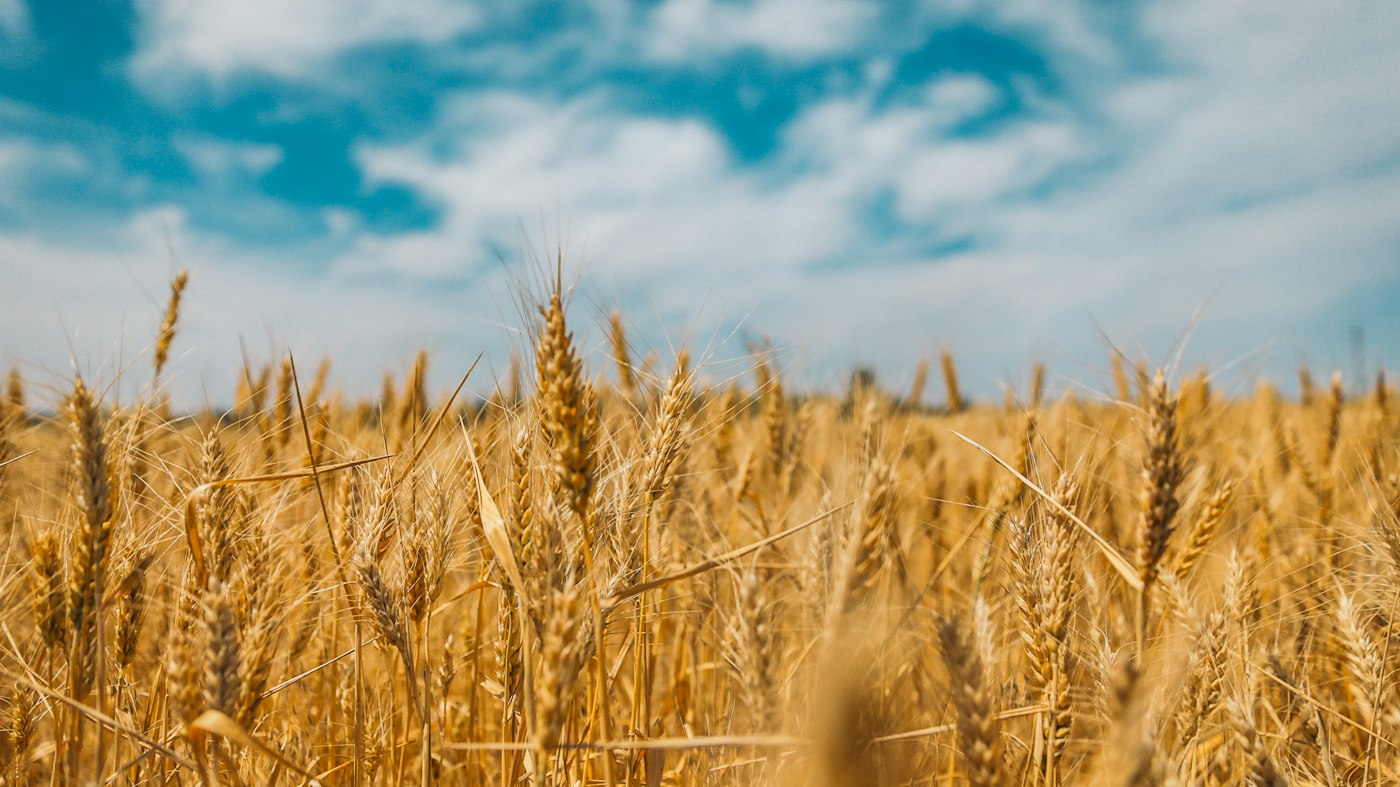
Farming can be a steady business when it is planned like one. Many first-time farm entrepreneurs start with land or a crop idea, but the ones who last also plan their buyers, their cash flow and their paperwork. This guide walks through the basic steps for starting a farming business in India, in simple words.
SRRS Arena LLP is a Business Consultancy Services. We help with ideas, project reports, documents and guidance. We do not lend money and we do not give funds, grants or subsidies. Banks, agencies and Governments take every funding decision.
Choose the right farming business
Farming is wider than growing grain. Pick the activity that fits your land, water, skills and nearby buyers.
- Crop farming: vegetables, fruits, pulses, oilseeds and grains.
- Dairy and fodder: milk, curd, ghee and cattle feed.
- Poultry and fisheries: eggs, meat and fish, with strict care for health and hygiene.
- Mushrooms, herbs and nursery plants: small-space options with quick cycles.
- Protected cultivation: polyhouse and hydroponic systems that need more capital and skill.
- Value addition: drying, grinding, pickling and packing what you grow.
If you are unsure, use our idea shortlisting service to compare two or three options before you spend money.
Study your market before you plant
The most common farming mistake is growing first and looking for buyers later. Spend a few weeks on the market before you start.
- Visit your nearest mandi and note price ranges across the year.
- Ask local shops, hotels, sweet makers and processors what they buy and how often.
- Check which crops are already in oversupply in your area.
- Find out how far buyers are willing to travel to collect your produce.
Land, water and basic setup
Check the basics on paper before you invest in seeds, animals or equipment.
- Land papers: confirm ownership or a written lease for the full crop cycle.
- Water: a dependable source in the driest months, and a plan for irrigation.
- Soil: a soil test helps you choose crops and fertiliser. Government labs and agriculture offices usually offer this.
- Storage and shed: a clean, dry place for produce, feed and tools.
- Machines: buy only what you will use often. Hiring for rare jobs costs less than owning. Read more on machines and equipment.
Plan your costs and cash flow
Farm income arrives in bursts, while costs arrive every week. A simple plan keeps you from running short.
- List one-time costs such as land preparation, fencing, a borewell or sheds.
- List running costs such as seed, feed, labour, power, transport and packing.
- Estimate sales by season, using prices you actually saw at the mandi.
- Keep a reserve for a bad season, a price fall or a delayed payment.
If you plan to borrow, read our loans guide and the page on Government schemes first. A lender will ask for a clear project report, and every approval decision is the lender’s.
Registrations and licences to check
Rules differ by activity and by state, so confirm each item on the official website or with the local office before you act.
- Udyam registration for a processing or trading unit that wants MSME recognition.
- GST registration, where your sales or activity require it. Many unprocessed farm products are treated differently from packed or processed goods.
- FSSAI licence if you pack, process or sell food products.
- Local permissions for dairy, poultry, fisheries or storage, and mandi rules for selling.
Reduce post-harvest loss and sell smarter
A large part of farm income is lost after harvest through poor handling, slow transport and weak packing. Small habits make a real difference.
- Grade produce by size and quality before sale. Buyers pay better for even lots.
- Use clean crates and proper packaging, and pick produce in the cooler hours.
- Plan transport and delivery before harvest, not after.
- Sell through more than one channel: the mandi, local retailers, institutions and direct buyers.
Digital marketplaces are one more way to reach buyers. For example, Zorvex Systems LLP runs agritech platforms and a digital agri marketplace where farmers and buyers can connect. Read its terms and fees before you join any platform.
Common mistakes to avoid
- Starting before you have a buyer or a price in mind.
- Putting all your money into one crop or one season.
- Ignoring storage and transport costs.
- Borrowing more than your cash flow can repay.
- Skipping registrations and records, which makes loans and schemes harder later.
Frequently Asked Questions
Keep reading
Choose Your Industry
Pick the industry that fits your idea, from bakery to garments.
Read more →Government Schemes Guide
A plain guide to common government schemes for businesses.
Read more →Loans Guide
How business loans work and how to prepare your papers.
Read more →Packaging Structure
Packaging basics that protect your product and brand.
Read more →Have an idea or a question? Talk to us.
Share your idea in writing. Send us your question and our team will respond in due course.